


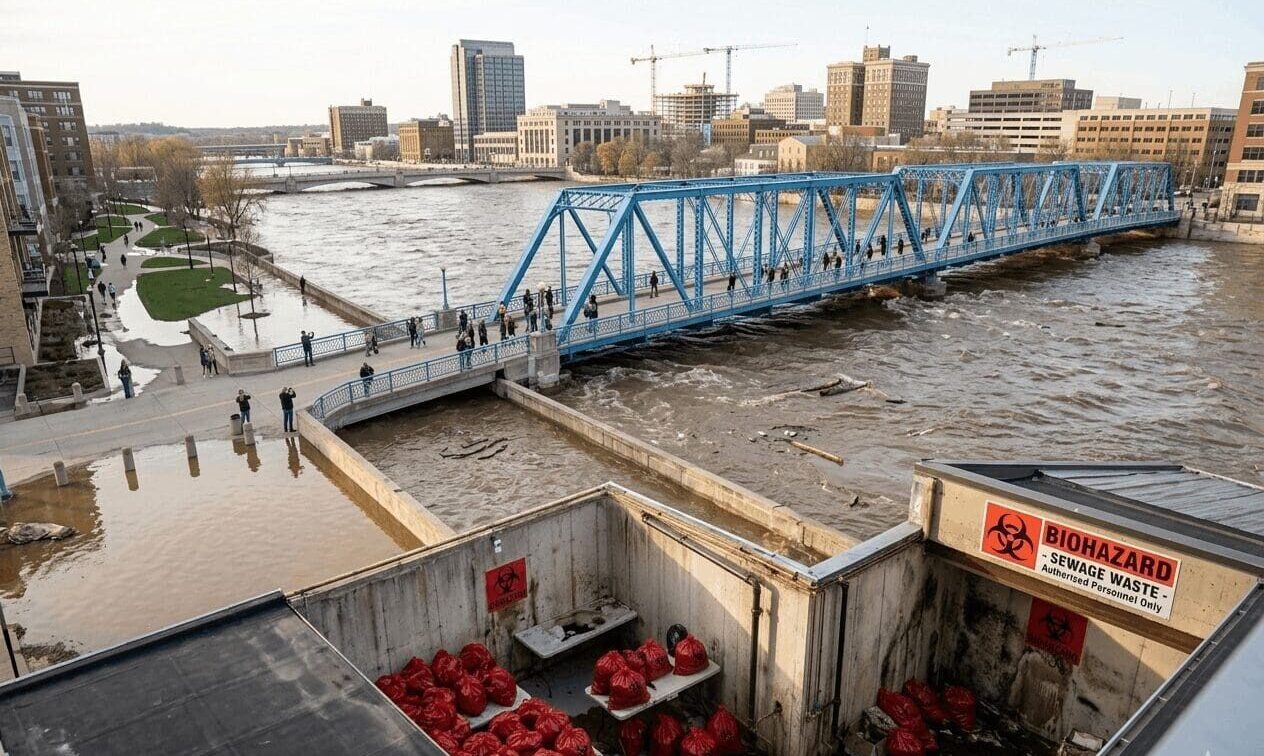
Flooding in Grand Rapids: Why Your Home is at Risk Right Now
Table of Contents
If you’ve ever walked down into your basement after a heavy West Michigan downpour only to hear the dreaded squish of soaked carpet, you know the immediate knot of anxiety that forms in your stomach. Flooding in Grand Rapids isn’t just a seasonal headline for many homeowners in our community, it is a recurring nightmare that threatens their largest investment and their family’s health. Whether it’s a failed sump pump during a midnight storm or the rising banks of the Grand River, the stress of water damage is overwhelming.
In this guide, we will break down exactly why our local geography makes us vulnerable during the spring thaw and, more importantly, the proven steps you can take right now to protect your property.
Why does Grand Rapids experience flooding in spring?
Grand Rapids is uniquely prone to spring flooding due to a combination of heavy winter snow accumulation, rapid temperature spikes causing fast melts, and the city’s position within the Grand River watershed. When the frozen ground prevents meltwater from soaking into the soil, it flows directly into local drainage systems and the Grand River, which can quickly exceed its banks and back up into residential basements.
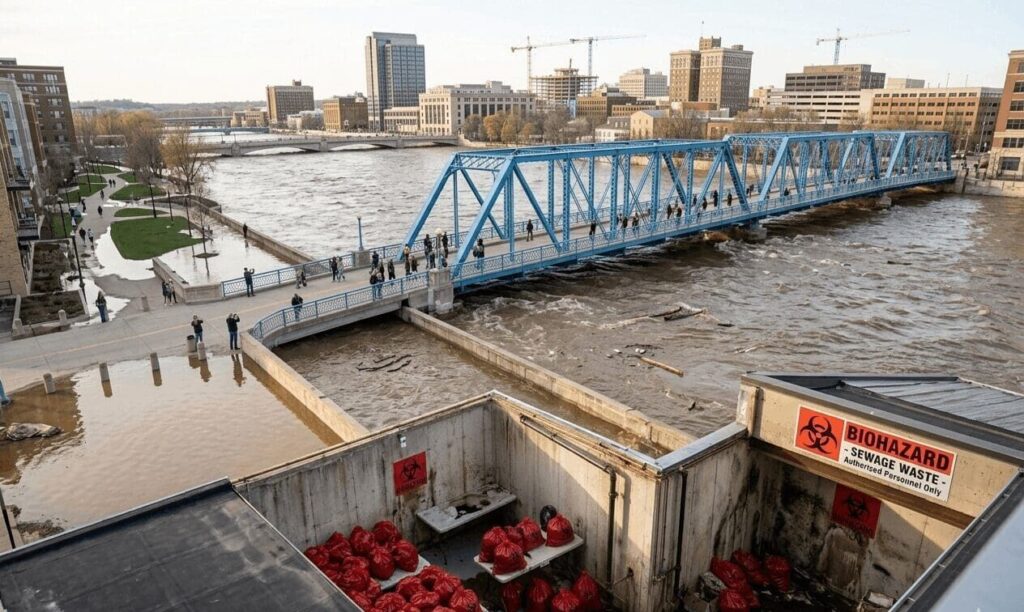
How Do Seasonal Weather Patterns Impact Flooding in Grand Rapids?
According to the National Weather Service Grand Rapids, the transition from March to April is the highest-risk period for local homeowners. During this spring thaw, the frost depth and how deep the ground is frozen plays a critical role. If we experience heavy March April flooding in Kent County, it is usually because the frozen earth acts like concrete, forcing rainwater and melted snow to pool around your foundation rather than absorbing into the earth.
What is the Current NOAA Spring Flood Outlook for West Michigan?
Each year, the NOAA spring flood outlook provides a roadmap for potential risks. For residents in the Grand River watershed, this outlook monitors Snow Water Equivalent (the amount of water held in the snowpack). If a rapid warmup occurs while the snowpack is high, the risk of flash flooding and river cresting increases significantly. Staying informed through these updates is a vital part of seasonal water damage prevention.
Why is My Basement Flooding When it Isn’t Raining?
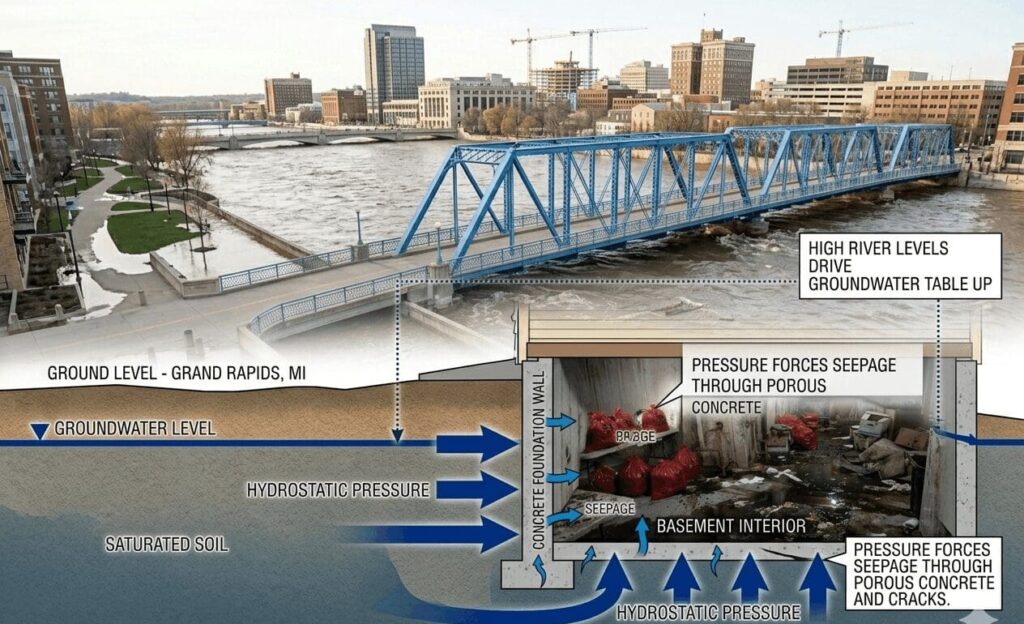
Many homeowners are surprised to find a flooded basement in Grand Rapids even on a sunny day. This is often caused by hydrostatic pressure. As the snow melts, the water table in Kent County rises. This underground water exerts immense pressure against your basement walls and floor, eventually forcing its way through tiny cracks or floor drains.
How Does the Kent County Drain Commission Manage Flood Risks?
The Kent County Drain Commission works tirelessly to maintain the network of storm drains and “county drains” that move water away from our neighborhoods. However, during periods of extreme spring flooding in Grand Rapids, these systems can become overwhelmed by debris or sheer volume. Homeowners are encouraged to keep nearby storm grates clear of leaves and trash to help the system function at peak capacity.
Is Your Home Prepared for the Next Grand River Crest?
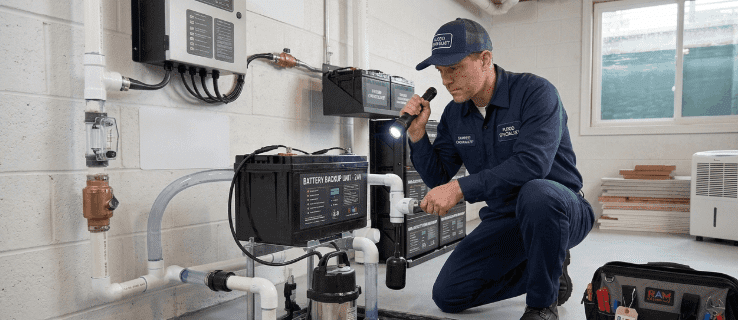
Living near the water offers beautiful views, but it requires constant vigilance. The Michigan EGLE (Department of Environment, Great Lakes, and Energy) monitors dam safety and water levels, but the responsibility for home-level protection lies with the owner. Grand River flooding can cause catastrophic damage in a matter of hours, making it essential to have a working sump pump with a battery backup system.
5 Proven Ways to Prevent Flooding in Grand Rapids This Spring
Inspect Your Sump Pump
Ensure it cycles correctly and consider adding a water-powered or battery backup.
Clear Your Gutters
Ensure downspouts extend at least 6–10 feet away from your foundation.
Check for Foundation Cracks
Seal any visible gaps where groundwater could seep in.
Install Backflow Valves
These prevent sewer lines from backing up into your home during heavy rains.
Monitor Local Gauges
Keep an eye on the National Weather Service river gauges if you live in low-lying areas.
Expert Flood Restoration in Grand Rapids: Call RAM Restoration
When the waters rise, you don’t have to face the cleanup alone. RAM Restoration is the trusted name for homeowners throughout Kent County. As an IICRC certified firm, we have the specialized equipment and expertise to handle everything from minor seepage to major river flooding. We are available 24/7 for emergency services, ensuring that we are there when you need us most.
Don’t wait until the water is at your doorstep. Call us today at (616) 818-1700 or contact us online for a free assessment and protect your home from the risks of flooding in Grand Rapids.

Frequently Asked Questions (FAQ)
What should I do first if my basement floods?
Safety is the priority. Turn off the electricity if it is safe to reach the breaker box without standing in water. Then, contact a professional for water damage restoration in Grand Rapids, MI to begin the extraction and drying process immediately to prevent mold.
Does homeowners insurance cover spring flooding in Grand Rapids?
Most standard policies do not cover “rising surface water” or river flooding. You typically need a separate flood insurance policy through the National Flood Insurance Program (NFIP).
How long does it take for mold to grow after a flood?
Mold can begin to colonize in as little as 24 to 48 hours. This is why professional mitigation is required to ensure the structure is completely dry.
Available 24/7/365 | IICRC Certified | (616) 818-1700 | Contact Us Online | Google Business Profile
