

The Step-by-Step Process of Commercial Fire Damage Restoration in Grand Rapids
Table of Contents
When a fire disrupts your Grand Rapids business, getting back to normal requires speed, skill, and a structured plan. This guide walks you through the step-by-step process of commercial fire damage restoration, from securing your property to full reconstruction, so you know exactly what to expect and how to avoid costly delays. You’ll also see why partnering with RAM Restoration ensures your business recovers quickly, safely, and without compromise.
Restoring Your Business After a Fire — Step by Step
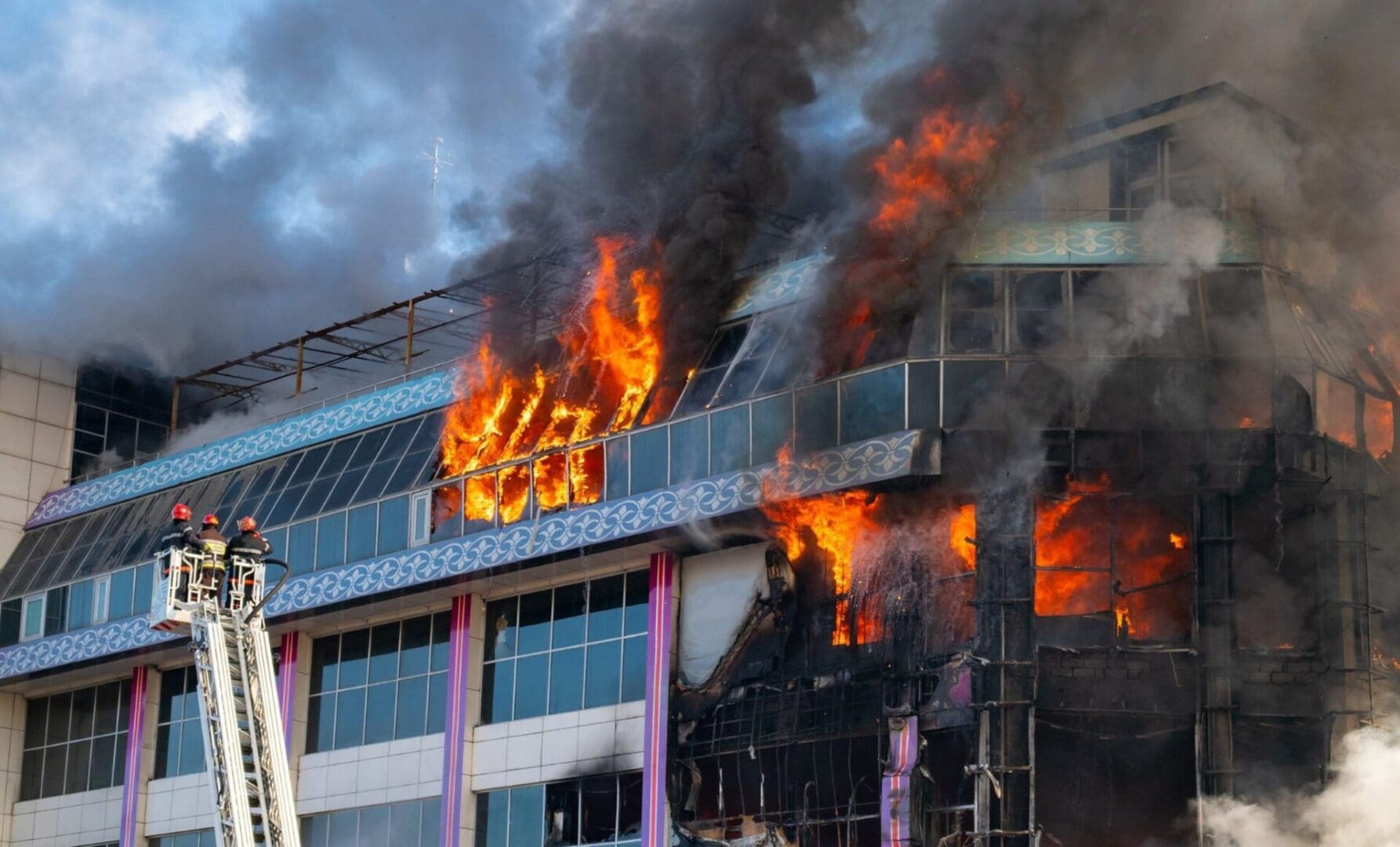
Commercial fires don’t just damage buildings, they disrupt operations, unsettle staff, and can hurt your reputation if you can’t reopen quickly. Professional fire damage restoration is not a random set of tasks; it’s a coordinated process that addresses every stage of recovery to ensure safety, compliance, and complete restoration.
Here’s how it works in Grand Rapids, and why following each step matters.
1. Immediate Safety Assessment
Once the fire is extinguished and the fire department grants clearance, the restoration process begins with a thorough safety inspection. This assessment identifies:
- Structural weaknesses in walls, floors, and ceilings
- Electrical hazards from melted wiring or exposed panels
- Potential hazards from unstable debris
- Toxic smoke residue and soot contamination
By understanding the scope of the damage, the restoration team can create a clear action plan. In Grand Rapids, where weather can be unpredictable, quick action also prevents rain, snow, or wind from worsening the damage.
2. Securing the Property – Board-Ups & Roof Tarps
The next critical step is securing your building. Crews will board up broken windows, doors, and other openings, and install tarps over damaged roofs. This prevents further damage from weather and protects against trespassing, theft, or vandalism.
Board-ups are especially vital in commercial districts where properties can be easily accessible after hours. A secure property also reassures your insurance company that you’ve taken reasonable steps to protect it from additional loss.
3. Water Extraction & Drying
It’s easy to forget that the water used to fight the fire can cause just as much damage as the flames themselves. This step involves:
- Pumping out standing water with industrial vacuums
- Using air movers to accelerate drying
- Deploying dehumidifiers to remove lingering moisture
- Monitoring humidity and moisture levels to ensure complete dryness
Skipping thorough drying can lead to mold growth, wood warping, and corrosion in metal fixtures. In Michigan’s humid months, this is a risk you can’t afford to take.
4. Smoke, Soot & Odor Removal
Smoke particles and soot are incredibly invasive. They can embed deep into walls, ceilings, HVAC systems, and furniture, carrying both health risks and persistent odors.
Professional Fire Damage Restoration teams use advanced cleaning methods like:
- HEPA filtration systems to capture microscopic particles
- Thermal fogging to neutralize smoke molecules
- Ozone treatments to eliminate stubborn odors
- Specialized cleaning agents for different surfaces
This stage not only restores the building’s appearance but also ensures the air inside is safe to breathe. For businesses, removing odors quickly helps create a welcoming environment for employees and customers when you reopen.
5. Debris Removal & Controlled Demolition
In many cases, parts of the building or its contents are too damaged to save. Controlled demolition removes:
- Charred drywall and insulation
- Warped flooring and ceiling materials
- Burned fixtures and furniture
- Damaged wiring and ductwork
By removing only what is necessary, the restoration team prepares the structure for rebuilding without unnecessary waste or expense.
6. Deep Cleaning, Sanitizing & Decontamination
Fire leaves more than just visible damage—it can also deposit toxic chemicals from burned materials. This stage involves:
- Sanitizing all surfaces to remove bacteria and chemical residue
- Cleaning HVAC systems to prevent the spread of contaminants
- Deodorizing every room to remove any trace of smoke smell
- Using EPA-approved disinfectants for safety and compliance
This is especially important for businesses like restaurants, healthcare facilities, or offices where air quality and cleanliness are critical for operations.
7. Reconstruction & Final Restoration
The last stage is rebuilding and restoring the property to its pre-fire condition—or better. This may include:
- Repairing structural components like walls, floors, and ceilings
- Repainting and refinishing surfaces
- Replacing fixtures, windows, and doors
- Updating electrical, plumbing, and HVAC systems
For businesses, this is when you see your space come back to life. Skilled restoration contractors can often suggest improvements that make the building safer and more efficient than before.
Why Following the Full Process Matters
Some businesses try to cut corners, focusing only on cleaning up visible damage. But without addressing water, smoke, and hidden structural issues, you risk ongoing problems—mold outbreaks, lingering odors, weakened structures, or even code violations.
A step-by-step Fire Damage Restoration process ensures:
- Safety – The building meets all structural and health standards.
- Efficiency – Work is completed in the right sequence, avoiding rework.
- Insurance Compliance – Detailed documentation improves claim success.
- Longevity – Repairs are durable, preventing future costly issues.
Common Questions About Fire Damage Restoration
Q1: How soon should the process begin after a fire?
Immediately after the fire department deems the building safe. The sooner you start, the more you limit secondary damage.
Q2: How long does restoration take?
It varies. Minor damage may take a few weeks; severe commercial damage can take several months. Factors include building size, fire severity, and material availability.
Q3: What about water damage from firefighting?
Water removal is one of the first tasks. It’s essential to dry the space completely to prevent mold growth.
Q4: Does insurance cover all restoration costs?
Most commercial policies cover fire, smoke, and water damage. Your provider will require thorough documentation from a licensed restoration company.
Q5: Can my business operate during restoration?
Usually not. It’s unsafe due to debris, unstable structures, and hazardous air quality. Temporary relocation is recommended until completion.
Why Choose RAM Restoration in Grand Rapids
When a fire strikes, you don’t just need cleanup, you need a partner who can bring your business back to life quickly and without added stress. RAM Restoration offers:
- Rapid Emergency Response – Available 24/7 to start protecting your property immediately.
- Full-Service Restoration – From board-ups and drying to odor removal and reconstruction.
- Local Expertise – We understand Grand Rapids building codes, weather challenges, and insurance requirements.
- Insurance Support – We document every step to help you get the maximum claim approval.
- Quality Craftsmanship – Repairs that are built to last, so you can focus on your business.
Your recovery is our mission. Don’t risk delays, hidden damage, or unsafe conditions—call RAM Restoration and take the first step toward a safe, fast, and stress-free recovery.
Final Summary
The Fire Damage Restoration process in Grand Rapids follows a precise order: assess safety → secure the building → remove water and dry thoroughly → clean smoke and soot → remove debris → sanitize every surface → rebuild and restore. Each phase protects your property, limits losses, and sets you up for a smooth reopening.
Fires are devastating, but with the right team and process, your business can come back stronger. RAM Restoration is here to handle every detail so you can focus on moving forward.
