

Do I Need a Mold Inspection Before Buying a Home in Grand Rapids?
Buying a home in Grand Rapids is one of the most significant investments you’ll ever make and one of the most stressful. Between negotiating prices, reviewing disclosures, and juggling inspections, the last thing you want is a hidden problem that costs you thousands after closing. A mold inspection in Grand Rapids is one of the most overlooked steps in the home-buying process, yet it can be the difference between a dream home and a financial nightmare. This post breaks down exactly when you need a mold inspection, what it costs in Kent County, what your rights are under Michigan real estate disclosure laws, and how to protect yourself before you sign anything.
Table of Contents
Do you need a mold inspection before buying a home in Grand Rapids? In most cases, yes, especially if the home is older, has had water damage, or shows signs of moisture. A standard home inspection does NOT test for mold. A separate mold inspection in Grand Rapids, conducted by a NORMI-certified or IICRC-trained professional, can detect hidden mold colonies behind walls, in attics, and in crawl spaces before they become your problem. Michigan law requires sellers to disclose known mold, but undisclosed or unknown mold is still your financial liability once the deed transfers.
Health note: According to the CDC, mold exposure can cause respiratory symptoms, allergic reactions, and in cases involving Stachybotrys chartarum (black mold), serious mycotoxin-related illness. All mold warrants professional assessment — not just the black variety.
What Is a Mold Inspection and How Is It Different from a Home Inspection?
A standard home inspection is a general visual assessment of the property’s structure, systems, and components. Most licensed home inspectors even those certified by the American Society of Home Inspectors (ASHI) are not trained mold testers and will not collect air samples or surface swabs.
A mold inspection, by contrast, is a targeted assessment performed by a specialist typically a NORMI-certified mold inspector or an IICRC-trained technician. The process includes:
- Visual inspection of high-risk areas: bathrooms, basements, attics, HVAC systems, and under sinks
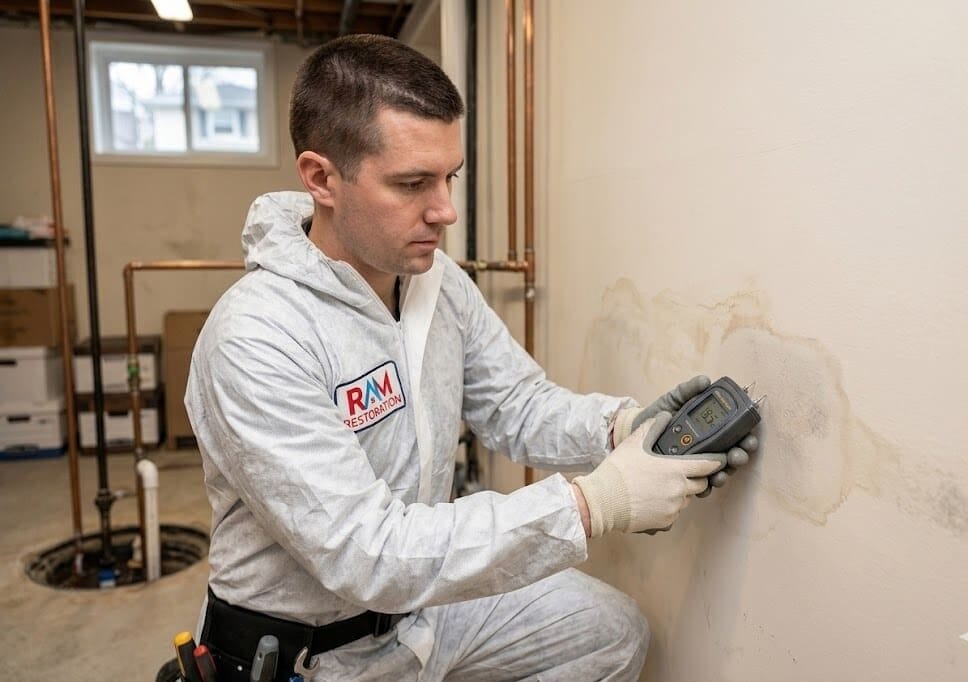
- Moisture readings using professional-grade meters to identify elevated humidity behind walls
- Air sampling and surface swab collection, sent to a third-party laboratory
- A written report detailing mold species found, spore counts, and recommended remediation steps
In short: a home inspection tells you if there are visible problems. A mold inspection tells you what’s hiding behind them.
If you’re researching what happens after mold is confirmed in a property, our complete guide to mold remediation in Grand Rapids walks through the full remediation process, IICRC S520 standards, and what to expect from a professional crew.
When Should You Absolutely Get a Mold Inspection Before Buying?
Not every home purchase requires a standalone mold test, but certain conditions make it non-negotiable. Request a mold inspection in Grand Rapids before buying if any of the following apply:
The Home Has Had Water Damage or Flooding
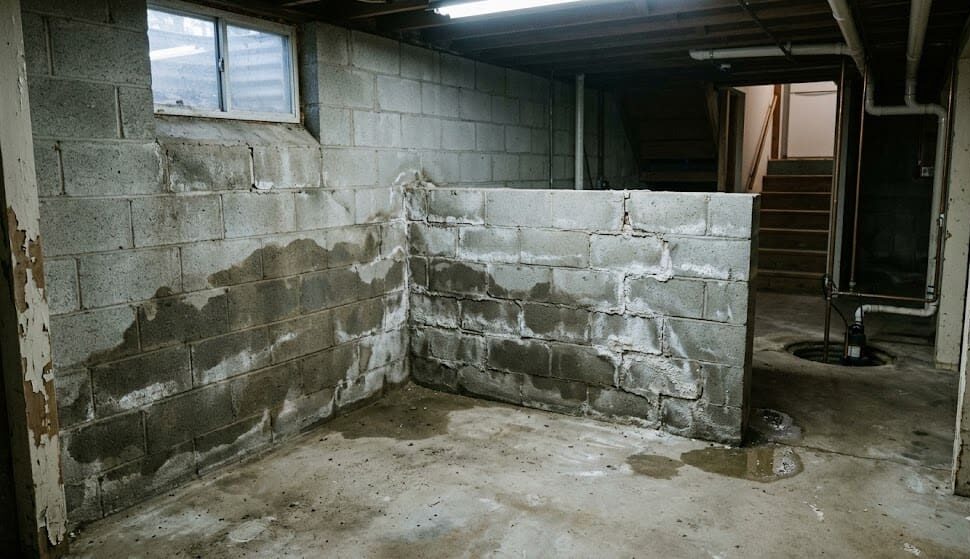
Water damage is the primary driver of mold growth. If the seller’s disclosure mentions past flooding, pipe bursts, roof leaks, or basement seepage even years ago, mold may be present even if the source has since been repaired. Mold can remain dormant in building materials for years and reactivate when humidity rises. See our detailed post on mold after water damage for a full breakdown of how quickly colonies form and what materials are most vulnerable.
The Home Is Older or Has a History of Deferred Maintenance
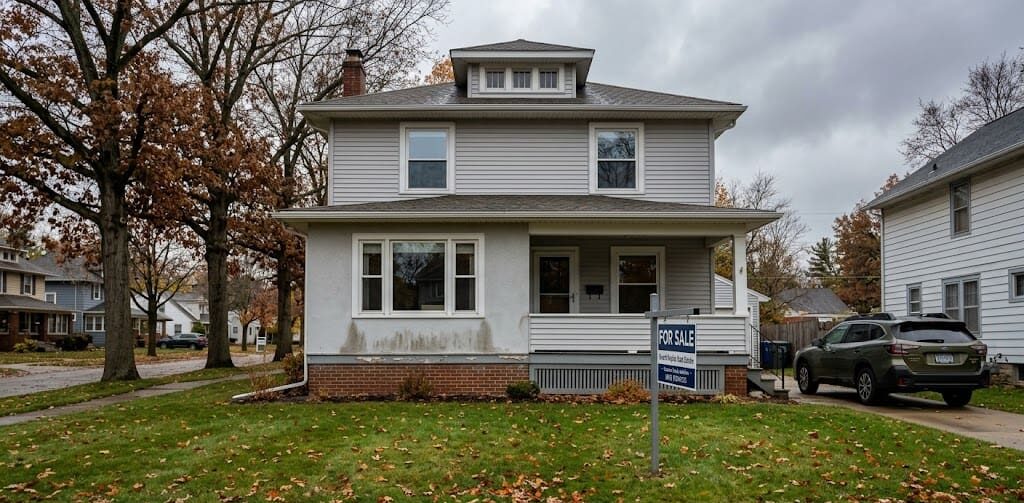
Grand Rapids has a rich stock of older homes, particularly in neighborhoods like Heritage Hill, Eastown, and East Grand Rapids. Homes built before the 1980s may have inadequate vapor barriers, original plumbing prone to slow leaks, and insulation materials that retain moisture. Deferred maintenance compounds these risks.
You Notice Musty Odors or Visible Staining
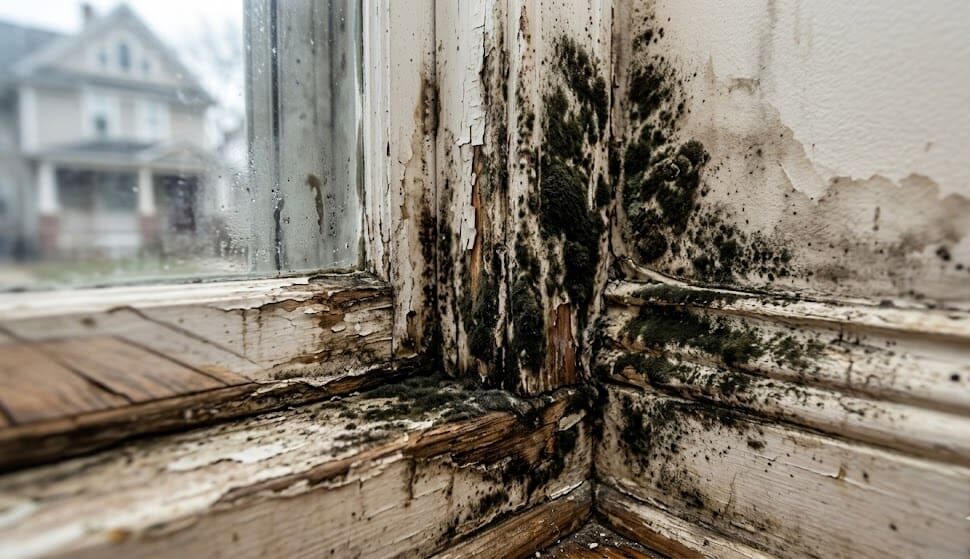
Trust your senses. A musty smell in the basement or attic is a strong indicator of active mold growth. Dark staining on ceilings, around window frames, or near HVAC vents warrants investigation even if sellers attribute it to old paint or minor condensation.
The Seller’s Disclosure Is Incomplete or Vague
Under Michigan real estate disclosure laws, sellers are required to disclose known material defects including known mold. However, sellers can only disclose what they know. An inspection protects you from unknowns. If disclosures are sparse or the home is being sold as-is, a mold inspection is essential.
What Does a Mold Inspection Cost in Grand Rapids?
Mold inspection cost in Grand Rapids varies based on the size of the home, the number of samples collected, and the laboratory used for analysis. Here’s a general pricing breakdown:
| Service | Typical Cost Range |
| Visual mold inspection only | $150 – $300 |
| Inspection + 2–3 air samples + lab analysis | $300 – $600 |
| Full inspection + 5+ samples (larger home) | $600 – $900+ |
| Post-remediation clearance testing | $200 – $400 |
Considering that mold remediation for a single affected room averages $1,500–$4,000, and a full structural remediation can exceed $15,000, a few hundred dollars for an inspection is a straightforward investment. Many Kent County buyers now negotiate the cost of a mold inspection into their purchase offer contingencies.
What Does Michigan Real Estate Disclosure Law Require About Mold?
Michigan’s Seller Disclosure Act (Public Act 92 of 1993) requires sellers of residential property to complete a written disclosure statement covering known material defects. This includes known water damage history, known moisture problems, and known mold, however, the critical word is known.
A seller who genuinely did not know about mold in the crawl space has no legal obligation to disclose it. Once the deed is in your name, that mold is your problem. Real estate mold disclosure obligations in Michigan do not extend to conditions the seller was unaware of and many mold colonies are hidden from plain view.
This is the most compelling reason to hire a mold inspector in Kent County before you close. It is your one window of opportunity to discover undisclosed problems and either:
- Negotiate a price reduction to cover remediation costs
- Request that the seller complete remediation before closing
- Walk away from the transaction using a mold inspection contingency clause
Work with your real estate agent to include a mold inspection contingency in your purchase agreement. This is standard practice in the Grand Rapids housing market for homes with any documented water history.
What Happens If Mold Is Found During a Home Inspection in Grand Rapids?
Finding mold during a home inspection is not necessarily a dealbreaker but it requires a clear plan of action. Here’s what typically happens in the Grand Rapids real estate market:
Step 1: Get a Scope of Work from a Licensed Remediation Contractor
Your mold inspector’s report identifies the species and scope. The next step is to obtain a written remediation estimate from an IICRC-certified contractor. This gives you a dollar figure to bring to the negotiation table.
Step 2: Negotiate with the Seller
Armed with a professional scope of work, you have three options: request a price reduction equal to or greater than remediation cost, ask the seller to remediate before closing using a contractor of your choice (or require IICRC certification), or use your contingency to exit the deal.
Step 3: Verify Remediation with Post-Clearance Testing
If the seller agrees to remediate, do not accept verbal confirmation that the work is done. Require a post-remediation clearance test also called a post-clearance air quality test conducted by an independent inspector, not the same company that did the remediation. This is standard protocol under IICRC S520 guidelines.
If the mold found is dark and growth patterns suggest water intrusion over time, review our resource on black mold removal in Grand Rapids to understand the health implications and what a professional remediation entails.
How Do You Choose a Qualified Mold Inspector in Kent County?
The mold inspection industry in Michigan is largely unregulated at the state level, meaning anyone can call themselves a mold inspector. Here’s how to vet candidates in the Kent County real estate market:
- Look for NORMI certification (National Organization of Remediators and Mold Inspectors) the industry’s most recognized third-party credentialing body for inspectors
- Ask for a sample report to review the format, detail level, and laboratory partnership
- Verify they use AIHA-accredited labs for sample analysis
- Check Google and BBB reviews for the Grand Rapids area specifically
Mold Found Before Closing? RAM Restoration Serves Grand Rapids and Kent County
If your pre-purchase mold inspection comes back with concerning results, RAM Restoration is ready to help. We serve Grand Rapids and the surrounding Kent County communities with professional mold remediation that follows IICRC S520 and S500 standards, giving buyers, sellers, and real estate agents the documentation they need to close with confidence.
- IICRC-certified technicians
- Detailed scope of work and written estimates
- Coordination with independent inspectors for post-clearance testing
- 24/7 emergency availability
- Serving Grand Rapids, Kentwood, Wyoming, Walker, Rockford, and all of Kent County
Don’t let hidden mold derail your home purchase or become your liability after closing. Contact RAM Restoration today for a free assessment — our team will walk you through what the remediation process looks like, how long it takes, and what documentation you’ll receive for your real estate transaction.
📞 Call us 24/7 at (616) 818-1700 | Request a free assessment at ramrestoremi.com| Serving Kent County and Greater Grand Rapids
Frequently Asked Questions: Mold Inspection in Grand Rapids
Is mold inspection included in a standard home inspection in Grand Rapids?
No. A standard home inspection does not include mold testing. Licensed home inspectors (ASHI-certified or otherwise) perform visual structural assessments only. Mold sampling, air quality testing and surface swabs requires a separate mold inspector certified by NORMI or an IICRC-trained specialist.
Is black mold dangerous?
Yes. According to the CDC, exposure to Stachybotrys chartarum (black mold) can cause respiratory issues, chronic coughing, eye irritation, and in prolonged cases, mycotoxin-related health effects. However, all mold varieties warrant professional assessment, not just black mold. Other species like Aspergillus and Cladosporium are also health concerns at elevated spore counts.
How much does a mold inspection cost in Grand Rapids?
A basic visual inspection in Grand Rapids typically costs $150–$300. A full inspection with air sampling and lab analysis ranges from $300–$600 for an average home. Larger homes or homes with extensive suspected contamination may cost $600–$900 or more. Post-remediation clearance testing is typically $200–$400.
Can I negotiate mold remediation into the home purchase price?
Yes. If a mold inspection reveals contamination before closing, you can negotiate with the seller for a price reduction equal to the cost of remediation, request that the seller remediate before closing (with IICRC-certified contractors), or use a mold inspection contingency to exit the contract. This is a legally viable and increasingly common negotiation approach in the Grand Rapids housing market.
Does Michigan require sellers to disclose mold?
Michigan’s Seller Disclosure Act requires sellers to disclose known material defects, including known mold and moisture problems. However, sellers are only obligated to disclose what they know. Undisclosed or unknown mold that’s discovered after closing becomes the buyer’s financial responsibility, making a pre-purchase mold inspection in Kent County especially important.
What is post-remediation clearance testing?
Post-remediation clearance testing is an independent air quality test conducted after mold remediation is complete. It confirms that airborne mold spore counts have returned to normal levels and that the remediation was effective. Per IICRC S520 guidelines, clearance testing should be performed by an independent inspector, not the same company that completed the remediation.
Available 24/7/365 | IICRC Certified | (616) 818-1700 | Contact Us Online | Google Business Profile
