


Black Mold in Grand Rapids Homes: Symptoms, Risks & When to Call a Professional
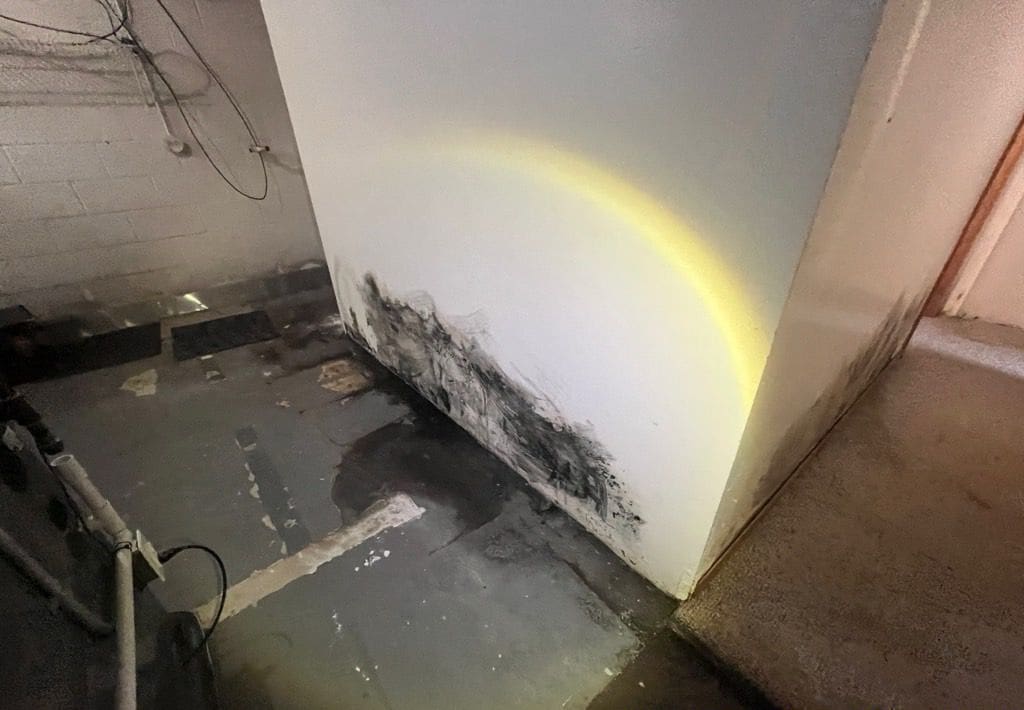
If you’ve spotted dark, slimy patches creeping across your basement walls or caught a musty odor that just won’t quit, you already know the gut-drop feeling that follows. Black mold removal isn’t just an inconvenience for Grand Rapids homeowners, it’s a health emergency, a property threat, and a source of genuine stress that can feel completely overwhelming. You’re not imagining the danger, and you’re not alone. In this guide, we’ll walk you through exactly what black mold looks like, what it does to your body, how it differs from other mold types, and most importantly when professional remediation is the only safe path forward.
Table of Contents
Is Black Mold Dangerous?
Yes, black mold poses serious health risks that demand immediate attention. The CDC links mold exposure to respiratory problems, chronic coughing, nasal and throat irritation, and eye irritation. The specific species commonly called ‘black mold,’ Stachybotrys chartarum, produces mycotoxins, toxic compounds that can cause neurological symptoms and immune suppression in prolonged exposures. However, the EPA and the Michigan Department of Health and Human Services both emphasize that all mold regardless of color warrants professional assessment. Color alone cannot confirm the species. Any visible mold growth in a home exceeding 10 square feet should be evaluated and remediated by a certified professional.
What Is Black Mold and Why Is It Common in Grand Rapids?
The term ‘black mold’ is most often associated with Stachybotrys chartarum, a greenish-black fungus that thrives on cellulose-rich materials, drywall, wood framing, ceiling tiles, and paper-backed insulation. Grand Rapids and the broader Kent County region experience cold, wet winters and humid summers, creating the kind of persistent moisture conditions that mold absolutely loves. Basements flood, roof ice dams push water inside, and poor ventilation traps condensation. The result is one of the most mold-susceptible housing markets in Michigan.
It’s important to understand that black mold doesn’t just appear overnight. It colonizes areas where moisture has persisted for 24–48 hours or more. By the time you see visible growth, it’s almost always an indication that a deeper moisture problem, a slow pipe leak, inadequate waterproofing, or unresolved water damage has been festering for some time.
If you’ve experienced any flooding or water intrusion, you should read our guide on mold after water damage to understand the timeline from moisture event to mold colony formation.
What Are the Symptoms of Black Mold Exposure?
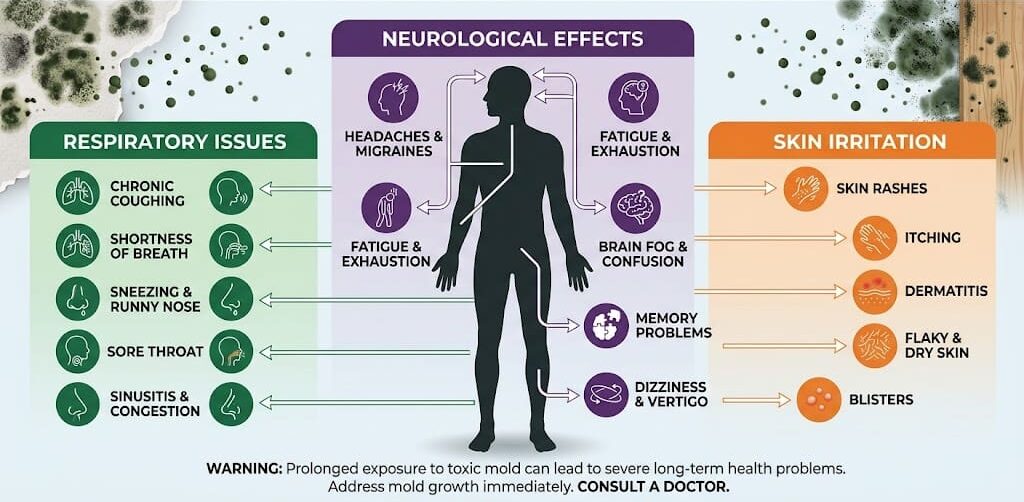
Black mold health risks are well-documented by the CDC and the American Industrial Hygiene Association (AIHA). Symptoms vary based on the duration of exposure and individual sensitivity, but commonly include:
- Respiratory issues: persistent coughing, wheezing, shortness of breath, and worsening asthma symptoms.
- Nasal and sinus irritation: chronic runny nose, congestion, and sinus infections that don’t resolve with standard treatment.
- Eye and skin irritation: red, watery eyes and skin rashes, particularly in children and elderly individuals.
- Neurological symptoms: in prolonged exposure to Stachybotrys chartarum mycotoxins, some individuals report headaches, difficulty concentrating, and memory problems.
- Fatigue: unexplained tiredness that improves when leaving the home, a common but often overlooked sign of indoor mold exposure.
Children, the elderly, pregnant women, and people with compromised immune systems face significantly heightened risk. If anyone in your household is experiencing recurring respiratory symptoms with no clear medical explanation, black mold exposure should be investigated promptly.
Black Mold vs. White Mold: What’s the Difference?
Appearance and Species
Not all mold is the same, and color is one of the most misunderstood factors in mold identification. Homeowners often encounter white mold, species like Aspergillus, Penicillium, or Cladosporium and wonder if it’s safer than black mold. The short answer: all mold carries risk, and color is not a reliable health indicator.
Black mold (Stachybotrys chartarum): Appears dark greenish-black, slimy or powdery depending on moisture level. Primarily colonizes high-cellulose, consistently wet materials. Slower-growing than many other species.
White mold: Can appear white, grey, or light green. Often confused with efflorescence (harmless mineral deposits) on concrete and masonry. White mold grows faster and spreads to a wider range of materials.
Which Is More Dangerous?
Neither should be tolerated in a home. NORMI (National Organization of Remediators and Mold Inspectors) standards and EPA mold guidelines both recommend professional assessment for any visible mold growth regardless of color. The species can only be confirmed through laboratory testing, a process that certified industrial hygienists conduct as part of a professional mold inspection. When in doubt, assume any mold growth warrants remediation.
Black Mold in the Basement: Why Basements Are Ground Zero
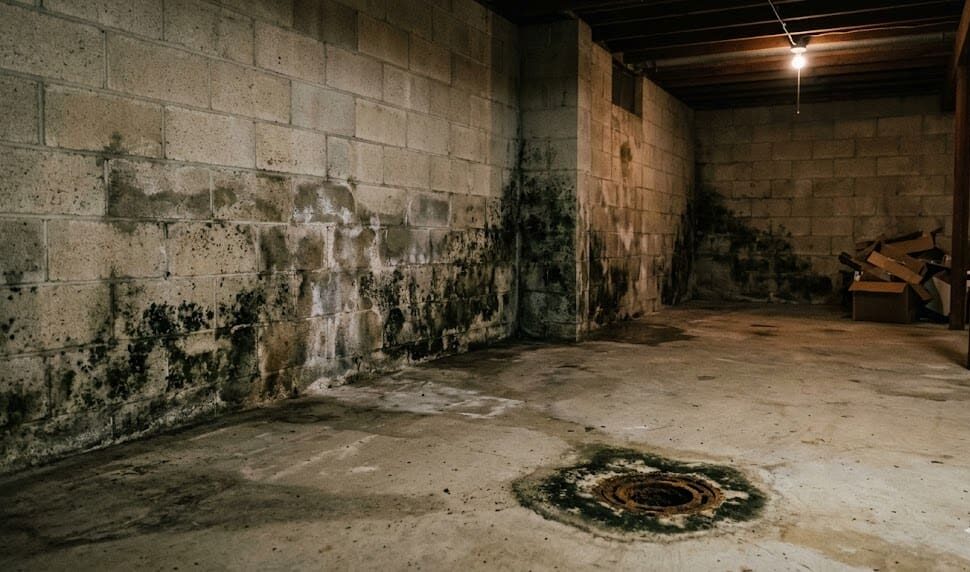
Of all the areas in a Grand Rapids home, basements present the highest mold risk. They sit below grade, are prone to ground moisture infiltration, often have limited airflow, and tend to house the water heater and HVAC systems that produce condensation. Even a small crack in a foundation wall can admit enough moisture to sustain a mold colony for years.
Common basement mold triggers in Kent County homes include:
- Flooding from spring snowmelt or heavy rain events
- Sump pump failures during Michigan storms
- Condensation on cold pipes in humid summer months
- Slow foundation leaks from aging waterproofing
- Improperly stored organic materials (cardboard boxes, wood furniture)
Basement mold is almost always connected to a moisture source. If you suspect water damage is driving mold growth, our team also provides comprehensive water damage restoration in Grand Rapids because treating the mold without addressing the water problem guarantees it will return.
How Do You Know If Black Mold Is Toxic?
Toxicity in mold comes down to mycotoxin production, not visual appearance. Stachybotrys chartarum is one of a small number of species capable of producing trichothecene mycotoxins, compounds that can cause serious health effects with prolonged inhalation or ingestion. However, confirming that a mold colony is mycotoxin-producing requires laboratory analysis.
Signs that you may be dealing with a particularly aggressive mold situation include:
- Strong, persistent musty or earthy odor throughout a room or the entire home
- Rapid symptom onset among household members, especially respiratory distress
- Mold that returns quickly after surface cleaning
- Structural discoloration or softness in drywall, wood framing, or subflooring
If you’re experiencing any of these signals, this is not a DIY situation. Professional mold testing by a certified industrial hygienist (as recommended by NORMI and the American Industrial Hygiene Association) provides the definitive answer, and professional remediation following IICRC S520 standards is the only method that fully addresses colonized materials.
When Should You Call a Professional for Black Mold Removal?
The EPA’s general guidance is that mold covering more than 10 square feet requires professional remediation. But for black mold or any mold in a home with vulnerable occupants, the threshold for calling a professional should be lower. Call an IICRC-certified remediation company immediately if:
- You can see visible mold growth of any size in areas with limited ventilation (inside walls, HVAC ducts, crawl spaces)
- Household members are experiencing health symptoms consistent with mold exposure
- The mold is in proximity to your HVAC system (spores can be distributed throughout the entire home)
- You’ve had a recent water damage event, even if the area appears dry
- Mold returned within weeks of a DIY cleaning attempt
Why DIY Mold Removal Can Make Things Worse
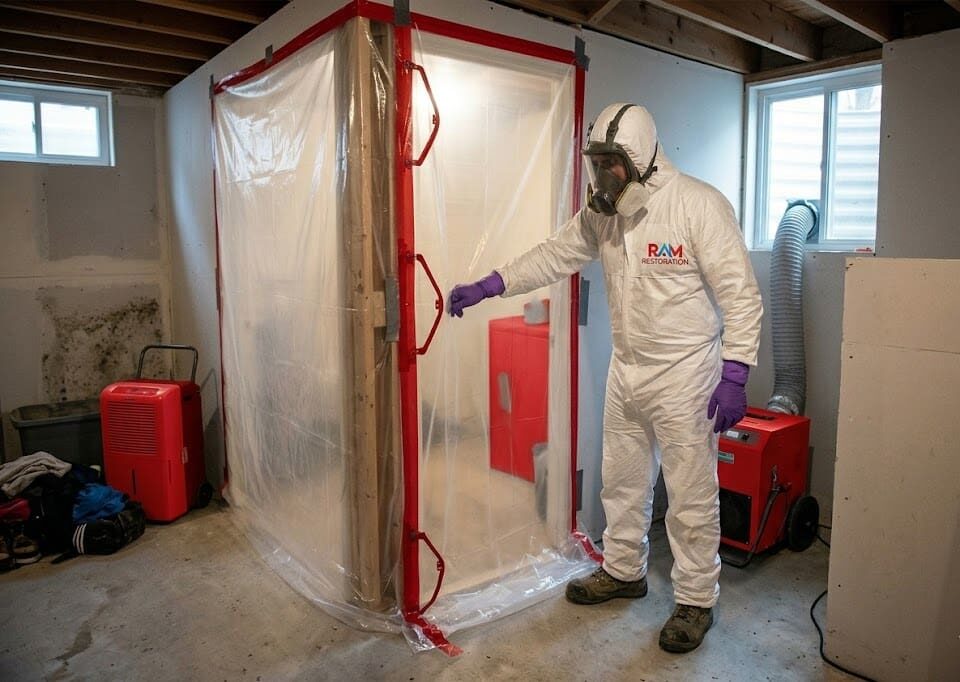
Surface cleaning with bleach, a common homeowner response does not kill mold at the root level within porous materials. It kills surface spores but leaves the mycelium (root structure) intact in drywall and wood. Disturbing mold colonies without proper containment also releases massive quantities of spores into the air, spreading contamination to previously unaffected areas of the home. Professional remediation uses negative air pressure containment, HEPA filtration, and proven removal protocols developed under IICRC S520 standards.
For a full overview of the remediation process, visit our Mold Remediation in Grand Rapids, MI: The Complete Homeowner’s Guide which covers the end-to-end process from inspection through post-remediation clearance testing.
Suspect Black Mold in Your Grand Rapids Home? RAM Restoration Is Ready to Help.
Serving Grand Rapids, Kent County & Surrounding West Michigan Communities
Black mold removal is not a job for a spray bottle and a weekend. If you’re seeing signs of mold growth or experiencing symptoms that could be linked to mold exposure, RAM Restoration’s IICRC-certified team is available 24/7 to respond because mold doesn’t wait for business hours, and neither do we.
- IICRC Certified — S520 Mold Remediation Standards
- 24/7 Emergency Response Across Kent County
- Free On-Site Assessment — No Obligation
- Full Documentation for Insurance Claims
📞 Call RAM Restoration Now (616) 818-1700 or Request Your Free Mold Assessment Online.
Don’t wait, every hour mold grows, the remediation scope and cost grows with it.
Frequently Asked Questions About Black Mold Removal
How long does black mold removal take?
The timeline for black mold removal depends on the extent of the contamination. A small, contained area (under 10 sq ft) may be resolved in one day. Larger infestations involving multiple rooms, structural materials, or HVAC systems typically require 3–5 days of remediation work plus drying time. RAM Restoration provides a detailed scope of work and timeline estimate during the initial assessment.
Can I stay in my house during mold remediation?
In most cases involving significant black mold growth, RAM Restoration recommends vacating the affected areas and sometimes the entire home during the remediation process. This is particularly important for households with children, elderly residents, or anyone with respiratory conditions. Containment barriers reduce cross-contamination risk, but displacement during active remediation is the safest approach.
Does homeowners insurance cover black mold removal in Grand Rapids?
Coverage depends on the cause of the mold. Insurance typically covers mold remediation when it results from a covered peril such as a burst pipe or sudden flooding and when the claim is filed promptly. Mold resulting from long-term neglect or gradual water intrusion is often excluded. RAM Restoration works with homeowners to document damage thoroughly for insurance purposes.
What is the difference between mold removal and mold remediation?
Mold removal implies the complete elimination of all mold, which is not possible, as mold spores exist naturally in all environments. Mold remediation is the accurate industry term, it means returning mold levels to a normal, healthy baseline. This is accomplished through containment, physical removal of colonized materials, HEPA vacuuming, antimicrobial treatment, and clearance testing. The IICRC S520 standard governs the remediation process.
Is black mold more dangerous than other molds?
Stachybotrys chartarum, the species commonly called black mold, is associated with mycotoxin production that can cause more serious health effects than many common mold species. However, the CDC and EPA both caution that all molds present health risks and should be assessed professionally. Color alone is not a reliable measure of danger, proper identification requires laboratory testing.
Available 24/7/365 | IICRC Certified | (616) 818-1700 | Contact Us Online | Google Business Profile
